Turn Scrap Cardboard into a Pocket Ping-Pong Adventure

Ready to transform everyday packaging into quick joy? Today we’re exploring Upcycling Cardboard into a Pocket-Sized Table Tennis Set, a playful build that fits in your jacket, sparks conversation, and proves creativity thrives where limits exist—space, time, and budget alike. Expect clever design moves, resilient materials, and friendly competition that travels anywhere.

Materials and Tools That Fit in Your Pocket

Strip your kit to essentials without sacrificing play. Choose portable tools and safe adhesives, and plan for reuse so nothing goes to waste. The right materials make miniature rallies crisp, durable, and satisfying, even when the entire court folds into a notebook. Thoughtful choices also encourage repairs and upgrades instead of throwing anything away.

Selecting sturdy, light cardboard

Corrugated shipping scraps bring bounce but can fray; cereal-box chipboard cuts cleaner and packs flatter. Test flex along the grain, then laminate two thin layers crosswise with PVA for stability. Keep offcuts for shims, edge guards, or emergency net posts. Favor unprinted sections for cleaner lines and better glue bonding during tough rallies.

A tiny toolkit that actually works

Swap bulky gear for a craft knife with snap-off blades, a pocket metal ruler, and a folded cutting mat made from layered cardboard. Add painter’s tape, binder clips, and a glue stick. Every piece nests flat, protecting edges and travel sanity. Keep a pencil, fine sandpaper, and small envelope for spares tucked neatly alongside.

Reclaimed extras for the net and paddles

String from worn shoelaces, paper straws as posts, and a sliver of window screen or mesh produce a lively net with perfect scrappiness. Rubber bands tension everything. For paddles, cork from bottle caps or felt circles adds grip without weight. Even a grocery twist tie can stabilize a wobbly post during sudden celebrations.

Design Blueprint: Scaling Down Without Losing Playability

Mini paddles that feel surprisingly real

Trace an oval about credit-card length, then extend a narrow handle that tucks into a palm. Laminate two or three layers, rotating grain for stiffness. Add a thin cork face for grip, keeping total mass low to retain comfortable, quick acceleration. Round edges to reduce chipping and improve control during last-second, off-balance saves.

Foldable table geometry you can trust
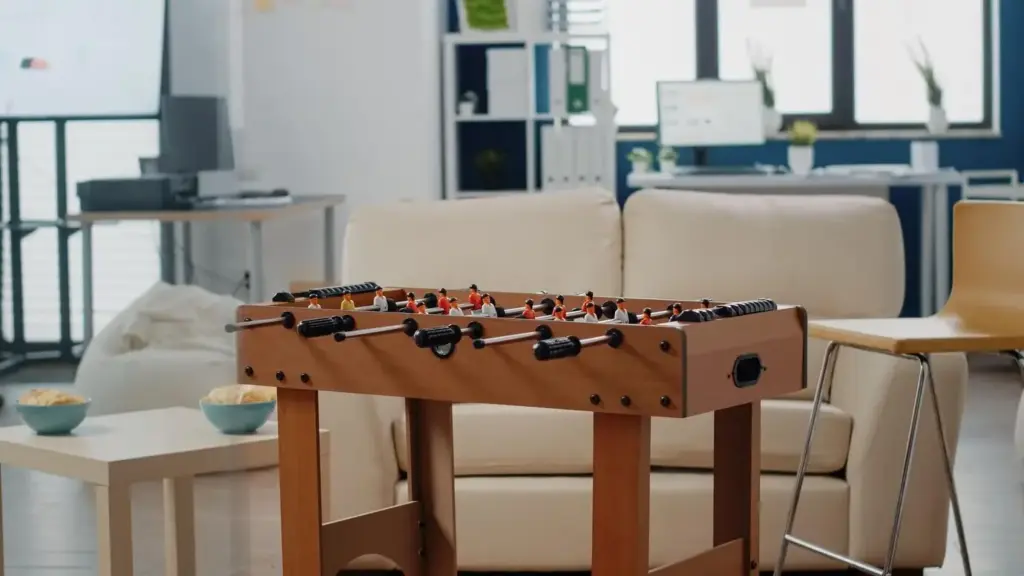
Aim for roughly 28 by 15.5 centimeters to fit a jacket pocket while respecting proportion. Add a central hinge and two outer flaps to protect the surface inside. Score lightly, then back the hinge with tape to prevent cracks and creeping warps. Label fold directions so setup becomes instinctive, even under friendly tournament pressure.

Net posts and tension without hardware

Create two upright sleeves at the sidelines for straw posts, with a hidden cross-thread running through tiny piercings. Tension by twisting the thread and anchoring under the tabletop with tape. This preserves flatness when folded and keeps alignment honest. If posts wobble, add tiny gussets or thread a reinforcing loop beneath each sleeve.

Build Walkthrough: From Flat Box to Ready-to-Play Kit

Follow a simple sequence that rewards patience. Cut panels, score hinges, laminate for stiffness, then detail paddles and net. Dry-fit before gluing so everything nests together. Label storage pockets, and you’ll open your kit anywhere and start rallying within minutes. Clear steps also reduce mistakes, saving material and preserving your creative momentum.

Game Physics at Mini Scale: Spin, Bounce, and Control

Small courts amplify physics. Stiffness, mass, and surface texture decide whether rallies feel floaty or sharp. Adjust lamination, add thin edge weights, and test different balls to tune bounce height, dwell time, and the delicious whirr of controlled spin. Repeat measurements ensure consistent feel across seasons, humidity shifts, and travel adventures.

Bounce you can actually predict

Measure drop tests from a fixed height, recording rebound percentages on bare cardboard, laminated panels, and taped surfaces. The numbers help you pick a feel. Aim for consistent returns across the tabletop so instinct, not guesswork, guides your reach and reaction. Keep notes to replicate success when you rebuild or gift sets.

Spin from friction and balance

Surface microtexture creates grip; a thin cork, felt, or lightly sanded paper face increases dwell time. Balance paddles by adding a tiny paperclip near the handle butt, shifting the center of mass until flicks feel natural and arcing shots obey intention. Remove or relocate weight for faster serves and steadier defensive blocking.

Ball choices for pocket play

Standard 40 millimeter balls are reliable but may feel huge on tiny courts. Try practice golf balls, foam spheres, or crumpled paper sealed with tape. Experiment until bounce, noise level, and speed match the space you have and the neighbors’ patience. Carry two options to adapt instantly to surfaces and crowds.

Stories and Small-Space Wins

A good build invites stories. From borrowed office scissors to subway seat finals, these moments prove that playful making changes days for the better. Share your own, because every tale teaches a trick, a fix, or a new way to smile. Your experience can spark someone’s first confident cut and unforgettable rally.

Build Together, Share Everywhere

Host a pocket ping-pong night

Invite friends to bring their own builds and swap design tweaks. Use painter’s tape to mark courts on any table, track wins on sticky notes, and crown champions with upcycled medals. Photos and laughter encouraged, brick-heavy trophies delightfully discouraged for backpacks. Share playlists and snacks that match the quick, inventive spirit.

Share plans and inspire remixes

Post templates, cut files, and troubleshooting notes with clear photos. Ask readers to comment with tweaks that reduce waste, improve bounce, or speed assembly. Feature the smartest remixes in future builds so first-time makers feel seen, celebrated, and eager to contribute. Invite subscribers to vote on the next clever upgrade.

Repair, upgrade, and keep it rolling

Cardboard thrives with attention. Add corner caps, replace frayed mesh, and reseal hinges when tape starts to cloud. Track changes in a build log. Small, frequent refreshes extend life, reduce new material needs, and keep rallies sharp long after the novelty fades. Share before-and-after photos to motivate the whole crew.
Namulazunufaramupi
Privacy Overview

This website uses cookies so that we can provide you with the best user experience possible. Cookie information is stored in your browser and performs functions such as recognising you when you return to our website and helping our team to understand which sections of the website you find most interesting and useful.